BWSSB to deploy AI, robotic tech to curb water theft & leakage
BWSSB said the pilot will use advanced technologies to strengthen network monitoring & asset management.
PTI
-
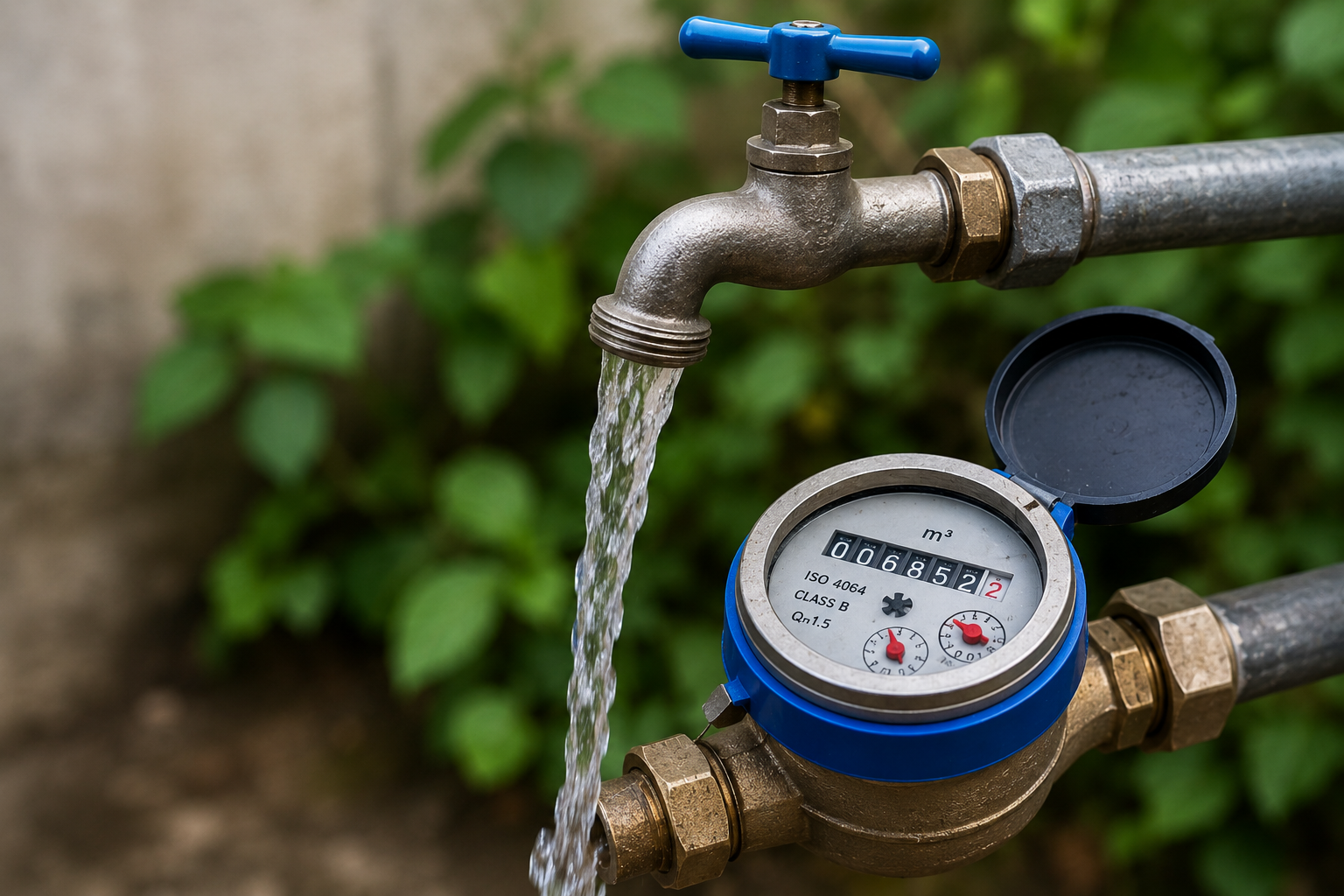
The technologies will help BWSSB monitor water supply, detect losses, improve billing and boost revenue collection (AI)
Bengaluru, Jun 1 (PTI)
In a major push towards technology-driven water management, the BWSSB is set to explore the use of AI, predictive analytics, and robotic inspection technologies to detect water theft, reduce leakages, and improve operational efficiency across Bengaluru's water distribution network, officials said on Monday.
As part of
the initiative, Bangalore Water Supply and Sewerage Board (BWSSB) has agreed to
facilitate a joint pilot study by two emerging startups -- SmartTerra and
Solinas -- aimed at identifying sources of Unaccounted-for Water (UFW) and
reducing Non-Revenue Water (NRW) losses in the city, they said.
"The
project has been selected under the Titan Design Impact Awards 2.0 -- Deep
Impact Phase and will be funded entirely through a grant from Titan Company
Limited. The initiative is being supported by Villgro as the incubation partner
and WELL Labs as the technical partner," BWSSB said in a statement.
Notably,
the year-long study will be implemented at zero cost to BWSSB, with the utility
only providing support for essential civil works such as excavation, pipe
repairs, and replacement wherever required, it said.
According
to BWSSB, the pilot will leverage a combination of advanced technologies to
improve network intelligence and asset management.
Smart Terra
will deploy AI-driven predictive analytics to identify vulnerable pipeline
segments and assess potential leakage risks before failures occur, it said.
The
startup will also use acoustic sensing technology to accurately pinpoint
underground leak locations without extensive excavation, officials said.
Meanwhile,
Solinas will undertake robotic inspection of water pipelines, deploying
specialised robots inside distribution networks to detect structural defects,
blockages, and hidden leakages that are otherwise difficult to identify through
conventional methods, they said.
The
technologies are expected to help BWSSB continuously monitor water distribution
patterns, assess demand, detect losses, improve billing efficiency, and
strengthen revenue collection mechanisms, officials said.
Speaking
on the initiative, BWSSB Chairman V Ram Prasath Manohar said the Board is
committed to creating opportunities for innovative startups to validate and
scale solutions that can address real-world urban water challenges.
"We
are opening our infrastructure as a 'test bed' for startups developing
cutting-edge solutions for urban water management. Data-driven scientific
approaches and digital workflows have the potential to significantly transform
how cities manage water resources," he said.
Manohar
added that priority zones for the pilot study will be identified shortly,
following which field surveys and technology deployment will commence.
"Our primary objective is to reduce financial losses caused by water leakages and theft, while also preventing contamination arising from defects in the distribution network. If successful, these technologies could become an important component of Bengaluru's future water management strategy," he said.
Share Now

Leave a Reply
Your email address will not be published. Required fields are marked *
Other Stories
.jpg)