Too early to draw lessons from West Asia war: Navy Chief
Tripathi said that the conflict has also underscored the importance of resilience, particularly in sustaining supply chains through prolonged hostilities.
PTI
-
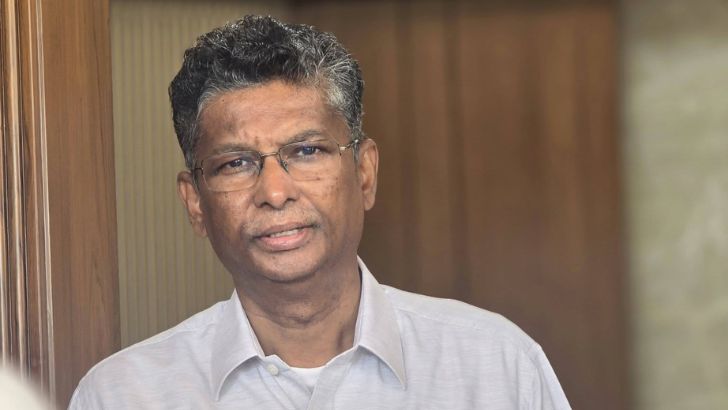
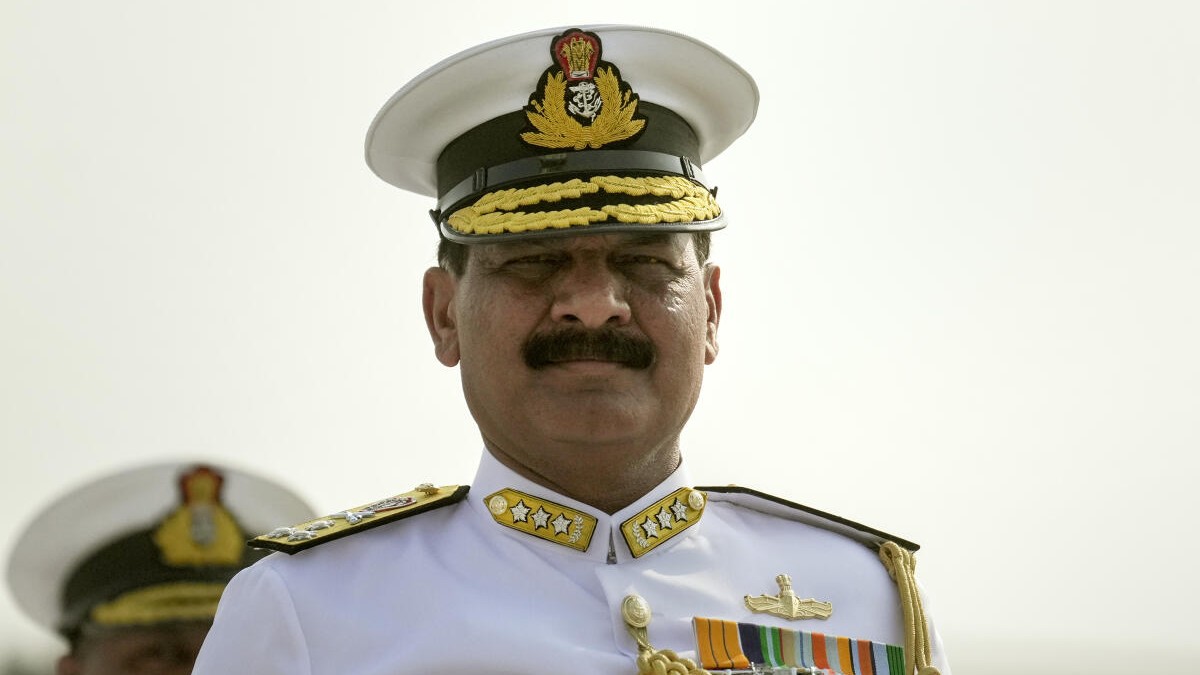
Dinesh Kumar Tripathi said distance no longer shields nations, citing instability in India’s neighbourhood and interconnected security (PTI)
Bengaluru, 9 April
The Indian
armed forces are studying the West Asia war as a critical case study in modern
warfare, Chief of Naval Staff Admiral Dinesh Kumar Tripathi said on Thursday,
adding that the services are analysing the conflict "on a near 24x7
basis" and will incorporate lessons at an appropriate time.
"It
is too early to draw definitive lessons. The war is still going on. We are
monitoring what is happening, what is working, what is not working, and
learning the correct lessons," Tripathi said during the question-answer
session at the 'Ran Samvad' forum on "Maritime Forces — Visualisation of
Multi Domain Operation".
Tripathi
also pointed to the growing vulnerability of military assets, noting that high
battlefield transparency makes anything visible a target, while subsurface
assets retain an advantage due to detection challenges. The conflict has also
underscored the importance of resilience, particularly in sustaining supply
chains through prolonged hostilities.
He said
distance no longer insulates nations from consequences, citing ongoing
instability in India's extended neighbourhood, underlining the interconnected
nature of modern security.
Explaining
the evolving maritime battlespace, Tripathi described it as a "deeply
interconnected grid extending from the seabed to space," shaped by three
defining attributes — speed, scale, and simultaneity.
While analysing the conflict, Tripathi also acknowledged that it is too early to draw definitive lessons. "Today, there is no fixed system of war, no rigid doctrine that we can blindly rely upon," he said.
Share Now

Leave a Reply
Your email address will not be published. Required fields are marked *
Other Stories
.png)